





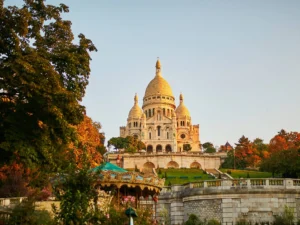
Montmartre remains the most romanticized district in Paris, a hilltop village of ivy-covered buildings, steep staircases, and hidden vineyards. While millions flock to the Sacré-Cœur, the true soul of the neighborhood lies in its quieter, bohemian corners.
Here is a reformulated guide to exploring Montmartre like a local in 2026.
1. Cultural Landmarks: Beyond the Basilica
Musée de Montmartre: Housed in the oldest house on the hill, this was once the studio of Renoir and Suzanne Valadon. It offers a deep dive into the “bohemian” era of Picasso and Van Gogh.
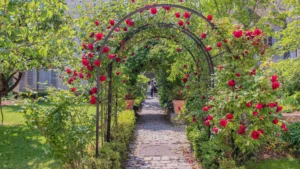
The Highlight: The Renoir Gardens, which overlook the secret Montmartre Vineyard (Clos Montmartre), the last working vineyard in the city.
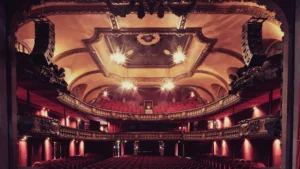
Le Trianon: A stunning Belle Époque theater from the 1890s. Even if you don’t see a concert there, the architecture—with its soaring ceilings and red velvet—is a masterclass in Parisian elegance.
2. Where to Eat & Drink
Sushi Shunei: For something unexpected on the hill, this minimalist, Nordic-designed spot offers world-class Edomae-style sushi. It is a quiet, hushed escape from the busy tourist streets.
Simple Coffee: A sleek, modern café that proves Montmartre can do specialty coffee as well as any trendy Marais spot.
Pro Tip: Try their house-baked pastries and club sandwich twists for a quick, high-quality lunch.
Le Chat Noir: Named after the legendary 19th-century cabaret, this spot serves as both a retro hotel and a cozy common room for a quiet afternoon break.
3. Nightlife & Entertainment
The Moulin Rouge: Located at the foot of the hill in Pigalle, it remains the world’s most famous cabaret. While iconic, for a more “local” music vibe, check the listings at Le Trianon for international indie and electronic acts.
Place de l’Hôtel de Ville (Montmartre): Avoid the “caricature artists” at Place du Tertre and instead wander the smaller squares near Lamarck-Caulaincourt for authentic wine bars and terraces.
4. Where to Stay
Monsieur Aristide: A bohemian boutique hotel with a secret garden and furniture sourced from local flea markets. It captures the “shabby-chic” artistic history of the area perfectly.
Hôtel Particulier Montmartre: Hidden behind a private gate, this is one of the most exclusive and romantic stays in Paris, featuring a lush garden and a world-class cocktail bar.
Local Secrets for Navigating the Hill:
The “Back Side” Ascent: Most tourists take the funicular or the main stairs in front of the Sacré-Cœur. For a better experience, take the Metro to Lamarck-Caulaincourt and walk up from the northern side. The streets are prettier, quieter, and full of local boulangeries.
The Sinking House: Look for the “Le Vieux Montmartre” museum near the top. If you tilt your camera at a certain angle next to the grass bank, the apartment building behind it appears to be sinking into the ground—a favorite trick for photographers.
Sunset at Square Marcel-Bleustein-Blanchet: Located right behind the Sacré-Cœur, this small park offers a stunning view of the Basilica’s domes without the massive crowds found on the front steps.