





As foot traffic in the HORECA sector fluctuates, delivery has once again shifted from a “convenience option” to a vital lifeline. Success in the current market requires more than just being listed on an app; it requires a strategic pivot.
Drawing from lessons learned during the pandemic, here is a set of actionable, zero-cost strategies to help your restaurant navigate these shifts, protect your margins, and stay connected to your guests.
1. Optimize for the “Hero SKU”
The most common mistake in delivery is trying to transport your entire menu. To succeed, you must stop trying to “deliver the restaurant experience” and start delivering quality that travels.
-
Edit Your Menu: Reduce your delivery offerings to only those dishes that can withstand 20–30 minutes in transit.
-
Focus on Hero SKUs: Identify 1–3 “Hero” items. By focusing your marketing on these specific products, you simplify your kitchen operations, reduce waste, and minimize the risk of negative reviews.
-
Adapt Recipes: Slightly modify recipes specifically for transportation to ensure the texture and temperature remain optimal upon arrival.

2. Move from Discounts to Solutions
In a crisis, customers aren’t looking for endless choices—they are looking for clear solutions. Instead of offering broad percentage discounts that eat into your margins, provide structured value.
-
Curated Bundles: Create delivery-only sets like “Dinner for Two” or a “Weekly Lunch Box.”
-
Targeted Sets: Offer specific solutions, such as a “Kids’ Set + Dessert” or “Work-from-Home Fuel.” Providing this clarity simplifies the decision-making process for the guest and naturally increases your average order volume.
3. Build a “Direct-to-Guest” Pipeline
Relying solely on third-party apps can be expensive and impersonal. Building your own communication system allows you to reach your most loyal contacts for free.
-
Direct Outreach: Utilize WhatsApp, SMS, or digital wallet cards with push notifications to send direct ordering links.
-
B2B Partnerships: Reach out to HR departments of nearby offices. These professionals were likely your weekday lunch guests; offer them specific corporate perks or employee-only sets to reclaim that lost revenue.

4. Create a Personal Connection
When a guest isn’t sitting in your dining room, you lose the opportunity for face-to-face hospitality. You must find ways to bridge that gap through the packaging.
-
The “Surprise & Delight” Factor: Include a small bonus—a free dessert, a handwritten thank-you note, or simple branded merchandise like a coaster or a cap.
-
Interactive Packaging: Use QR codes on your bags. Link them to a “behind-the-scenes” video of your kitchen. Even a simple iPhone video showing the care put into the food creates a human connection that builds long-term loyalty.
5. Export Your Atmosphere
Guests may be eating at home, but they still want a “vibe.” Your delivery should be a portal to your restaurant’s unique brand.
-
The Digital Vibe: Upload your house playlist to Spotify or Apple Music. Include a QR code on a card so guests can recreate your restaurant’s atmosphere in their living room.
-
Drive the Next Interaction: Use your packaging as a marketing tool for the future. Add links to “Pre-order breakfast for tomorrow” or “Subscribe to a weekly meal plan” to ensure the guest returns.
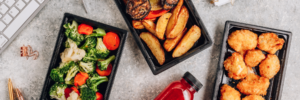
6. Embrace “Practical” Over “Fine”
The hardest advice to accept is often the most necessary: it may be time to put high-concept fine dining ambitions on hold.
As guests’ financial realities shift, they are looking for accessible, high-quality, and reasonably priced solutions. By offering simple, delicious, and affordable food now, you build a foundation of trust. Your guests will remember that you were there for them during difficult times, and they will be the first ones back at your tables when the market stabilizes.