





When you want to eat pasta like a Roman, you have to leave the “tourist menu” squares behind. For locals, pasta isn’t just a meal; it’s a religion with four pillars: Carbonara, Amatriciana, Cacio e Pepe, and Gricia..
Here is where the residents of Rome actually go when they want the real thing—no cream, no tourist traps, just authentic flavor.
1. The Carbonara Temple: Flavio al Velavevodetto (Testaccio)
Located in the historic foodie district of Testaccio, this restaurant is literally built into the side of an ancient Roman mound of broken pottery shards (Monte Testaccio).
Why it’s special: They are famous for their Rigatoni alla Carbonara. It’s velvety, rich, and uses high-quality guanciale (cured pork cheek) that is crisped to perfection.
Local Vibe: You’ll find multi-generational Roman families dining here, especially for Sunday lunch.
Pro Tip: Request a table in the “Terra” section to see the ancient amphorae through the glass walls.
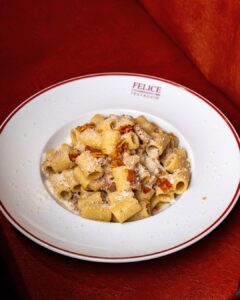
2. The Cacio e Pepe Master: Felice a Testaccio
Founded in 1936, this is a local institution. While it has become more famous over the years, it remains a benchmark for Roman quality.
Why it’s special: Their Tonnarelli Cacio e Pepe is legendary. The waiter mixes the pasta, pecorino, and pepper at your table, ensuring the sauce is perfectly emulsified and creamy before it hits your plate.
Local Vibe: Upscale but grounded in tradition.
Pro Tip: Reservations are essential and often need to be made weeks in advance.
3. The Hidden Gem: Da Teo (Trastevere)
While central Trastevere is often a tourist circus, Da Teo is tucked away in a quieter, residential corner of the neighborhood.
Why it’s special: This is arguably the best Amatriciana in the city. The sauce has a deep, slightly spicy complexity that most central spots lack. Their fried artichokes (Carciofi alla Giudia) are also top-tier.
Local Vibe: Outdoor tables on a quiet piazza where you can actually hear the fountain instead of street performers.
4. The “Off-the-Beaten-Path” Winner: Cesare al Casaletto
To get here, you’ll need to hop on the No. 8 Tram to the very last stop. It’s far from the Pantheon, which is exactly why it’s so good.
Why it’s special: Known for Gricia (the ancestor of Carbonara, made without egg). They also serve “fried gnocchi” on a bed of cacio e pepe sauce that will change your life.
Local Vibe: 100% local. It’s the favorite weekend spot for Rome’s food critics and chefs.
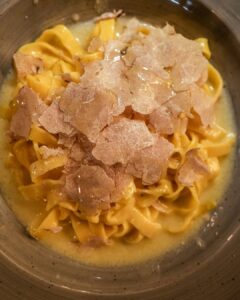
5. For the Artisanal Soul: Trattoria Pennestri (Ostiense)
Located in the edgy, industrial-chic Ostiense neighborhood, this is a “neo-trattoria” that respects tradition but elevates the ingredients.
Why it’s special: Their pasta is incredibly fresh, and they offer creative variations like Rigatoni with Oxtail sauce (Coda alla Vaccinara).
Local Vibe: Younger, trendier Romans who appreciate a great natural wine list alongside their pasta.
How to Spot a “Fake” Pasta Spot:
The “Alfredo” Rule: If you see “Fettuccine Alfredo” as a main staple, it’s for tourists. Locals rarely eat this (except at one specific historic spot).
Multilingual Signs: If the menu is printed on a giant board in five languages with pictures of the food, keep walking.
The Carbonara Color: If the Carbonara looks white or pale, they used cream (a Roman sin). Real Carbonara is bright yellow/gold from high-quality egg yolks.
Opening Hours: Real trattorias usually close between 3:00 PM and 7:30 PM. If they serve “dinner” at 5:00 PM, they are catering to tourists.